
Diaspora News
Iran Tightens Pressure on US as Hormuz Standoff Deepens and Hamas Seeks Washington’s Help on Gaza Deal
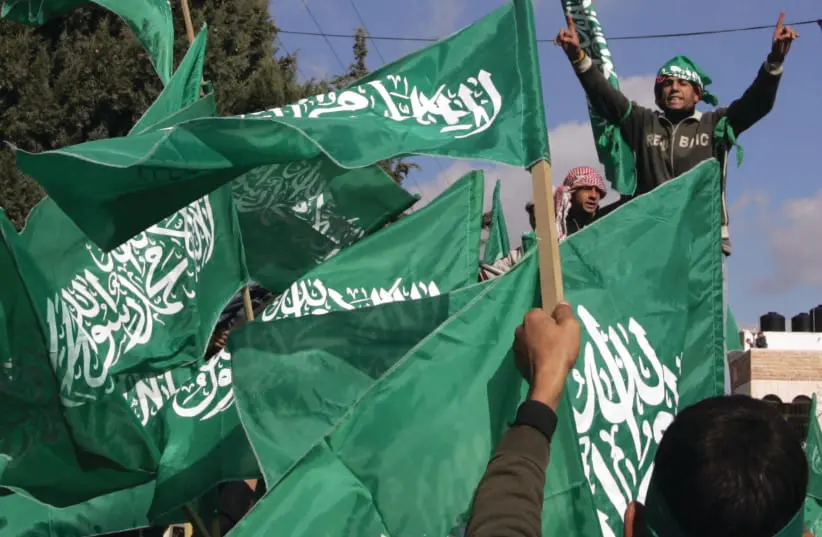
Iran Tightens Pressure on US as Hormuz Standoff Deepens and Hamas Seeks Washington’s Help on Gaza Deal
Middle East Tensions Rise as Iran Holds Hormuz Key While Hamas Pushes US for Gaza Deal
From Hormuz to Gaza: Iran and Hamas Turn to US Pressure as Regional Crisis Deepens
Iran Tightens Pressure on US as Hormuz Standoff Deepens and Hamas Seeks Washington’s Help on Gaza Deal
The Middle East crisis is entering a new phase as Iran tightens its grip on the Strait of Hormuz while Hamas urges the United States to push Israel towards progress on a Gaza peace agreement.
The developments, unfolding across two major regional flashpoints, point to a broader diplomatic challenge for Washington: Iran is linking the reopening of one of the world’s most important shipping routes to US concessions, while Hamas is asking the same American administration to use its influence to move negotiations with Israel forward.
The latest confrontation was underscored by the United Arab Emirates’ accusation that Iran targeted an Abu Dhabi National Oil Company (ADNOC) vessel with a missile while it was travelling through the Strait of Hormuz.
The UAE condemned the incident and demanded an end to attacks on commercial shipping. ADNOC has said its vessels have faced repeated missile and drone attacks since the conflict began, highlighting the growing risks facing energy shipments through the strategic waterway.
Iran turns Strait of Hormuz into diplomatic leverage
The tanker incident comes as Iran makes clear that reopening the Strait of Hormuz will not simply be the result of negotiations with regional intermediaries.
Iran’s Islamic Revolutionary Guard Corps has said the waterway’s reopening depends on Washington accepting Iranian conditions.
That position effectively turns access to the strait into a bargaining tool in the wider confrontation between Tehran and Washington.
The Strait of Hormuz is a critical passage for global energy supplies, meaning prolonged disruption has consequences far beyond the countries directly involved in the conflict.
Iran’s latest statement also complicates reports of progress in talks involving Oman. Tehran has indicated that discussions with Oman alone will not determine when the waterway is reopened.
UAE caught in the middle
For the UAE, the dispute is no longer simply a diplomatic disagreement between Iran and the United States.
The alleged attack on an ADNOC-linked vessel puts the security of Emirati commercial and energy interests directly into the spotlight.
Abu Dhabi has described the attack as a serious violation of freedom of navigation and condemned what it considers hostile Iranian action against shipping.
The incident could therefore increase pressure on regional governments and international powers to find a mechanism that protects commercial vessels while diplomatic negotiations continue.
Hamas shifts pressure towards Washington
At the same time, another important diplomatic development is taking place in Gaza.
Hamas says it is prepared to move forward with the next stage of a US-backed plan aimed at ending the conflict, but the group is calling on Washington to pressure Israel to facilitate progress.
That places the United States in a difficult position.
Washington is being asked simultaneously to address an escalating confrontation with Iran and to use its influence to prevent the Gaza peace process from stalling.
The Gaza negotiations remain complicated by disagreements over issues including security arrangements, Israeli military presence, Hamas’ future role and the implementation of the broader peace framework.
Recent analysis has suggested that Hamas’ willingness to engage with elements of the US-backed framework could increase pressure on Israel and Washington to move the process forward.
Two crises, one diplomatic test for the US
The significance of the latest developments lies in the pressure they place on Washington from different directions.
In the Gulf, Iran is effectively saying that the Strait of Hormuz will reopen only when its demands are addressed.
In Gaza, Hamas is asking Washington to exert greater pressure on Israel to advance the peace process.
Meanwhile, the UAE is dealing with the immediate security consequences of the Hormuz confrontation after an ADNOC-linked vessel was targeted.
The situations are not necessarily part of a single coordinated strategy, but they create a common diplomatic problem for the United States: how to prevent pressure in one theatre from worsening instability in another.
Why the Strait of Hormuz matters
Any prolonged disruption to the Strait of Hormuz could have implications for energy markets, shipping costs and global trade.
The waterway has become a major point of contention in the US-Iran confrontation, with Washington seeking its reopening and Tehran using access to the passage as leverage.
The latest dispute involving an ADNOC vessel demonstrates that the consequences are already being felt by commercial operators.
For countries dependent on energy imports and for international shipping companies, the longer the uncertainty lasts, the greater the potential economic risk.
What happens next?
The immediate focus will be on whether diplomatic efforts can produce an arrangement that allows commercial shipping to resume safely through the Strait of Hormuz.
At the same time, Washington will face renewed pressure over the Gaza negotiations as Hamas calls for greater American involvement.
The UAE tanker incident adds another layer of urgency because continued attacks on commercial vessels could make a diplomatic solution to the Hormuz crisis increasingly difficult.
For now, the developments from the Gulf to Gaza reveal a Middle East diplomatic landscape in which the United States is being pulled into multiple negotiations at once.
Whether Washington can separate the two crises or use its influence to prevent them from reinforcing each other could become one of the defining challenges of the next stage of the regional conflict.SEO note: This version deliberately uses the primary search entities naturally — Iran, Strait of Hormuz, UAE, ADNOC, Hamas, Gaza peace deal, United States — while adding an analytical angle instead of copying the three source stories. That gives you a better chance of ranking for long-tail searches such as “Iran Hormuz conditions US,” “UAE ADNOC tanker attack,” and “Hamas Gaza peace deal US pressure Israel.”


COLA Platform Apology and Service Restoration Announcement

Trump lobbied Fifa to lift Folarin Balogun suspension for World Cup game v Belgium

NASS least trusted institution in Nigeria, overtakes Police- 2026 Social Cohesion Report

Prince Adeniyi Adeyemi: Nigeria’s Fake Government Agency Scandal: Lessons for Public Accountability and Institutional Integrity

BREAKING: Kidnapped Oyo pupils, teachers freed
